
Standards
HACCP: hazard analysis and critical control points
We help implement HACCP in 90 days with a 98% DSSU inspection success rate. Ekontrol is an official Bureau Veritas partner in Ukraine. [Request a free consultation](/en/contact): we'll assess your business and provide a no-fluff implementation plan.
HACCP implementation: which companies need it
HACCP is a baseline requirement for all food chain operators: from manufacturers to logistics and foodservice businesses.
Food manufacturers
For enterprises with multi-stage processes, HACCP provides structured control of biological, chemical, and physical hazards at every production stage.
Foodservice businesses
Restaurants, catering, and canteens must have a HACCP system by law. In practice, this ensures safe preparation and storage of food.
Food exporters
For access to EU markets, a HACCP system is mandatory. It confirms that the manufacturer systematically controls hazards and ensures product safety.
Logistics and storage
Warehouse operators and transport companies apply HACCP principles to control temperature conditions, contamination, and storage requirements.
HACCP in practice: implementation for food enterprises
HACCP is needed by every enterprise that produces, processes, or stores [food products](/en/food-industry): it is both a legal requirement and the foundation of consumer trust.
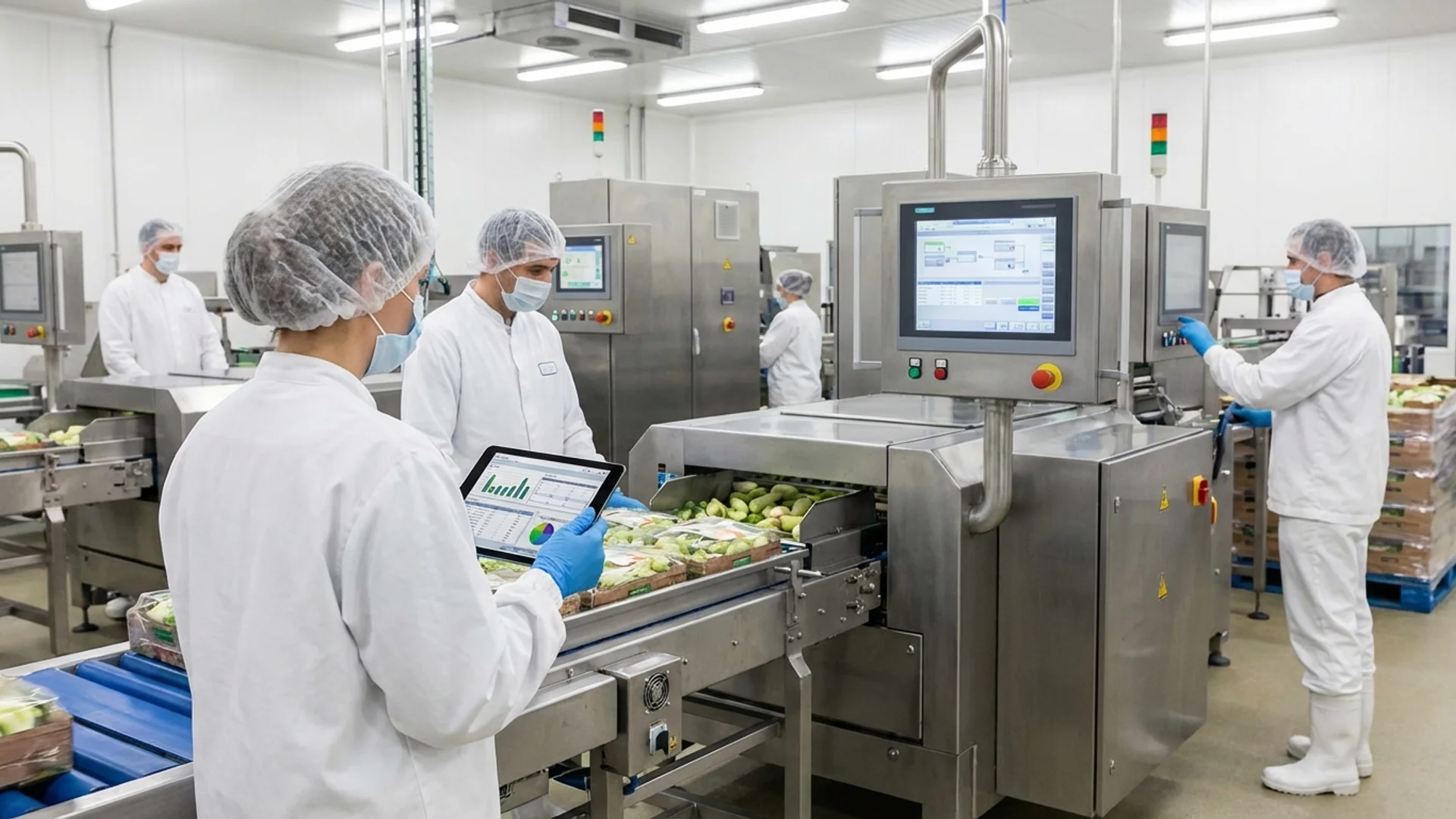
Meat and dairy producers
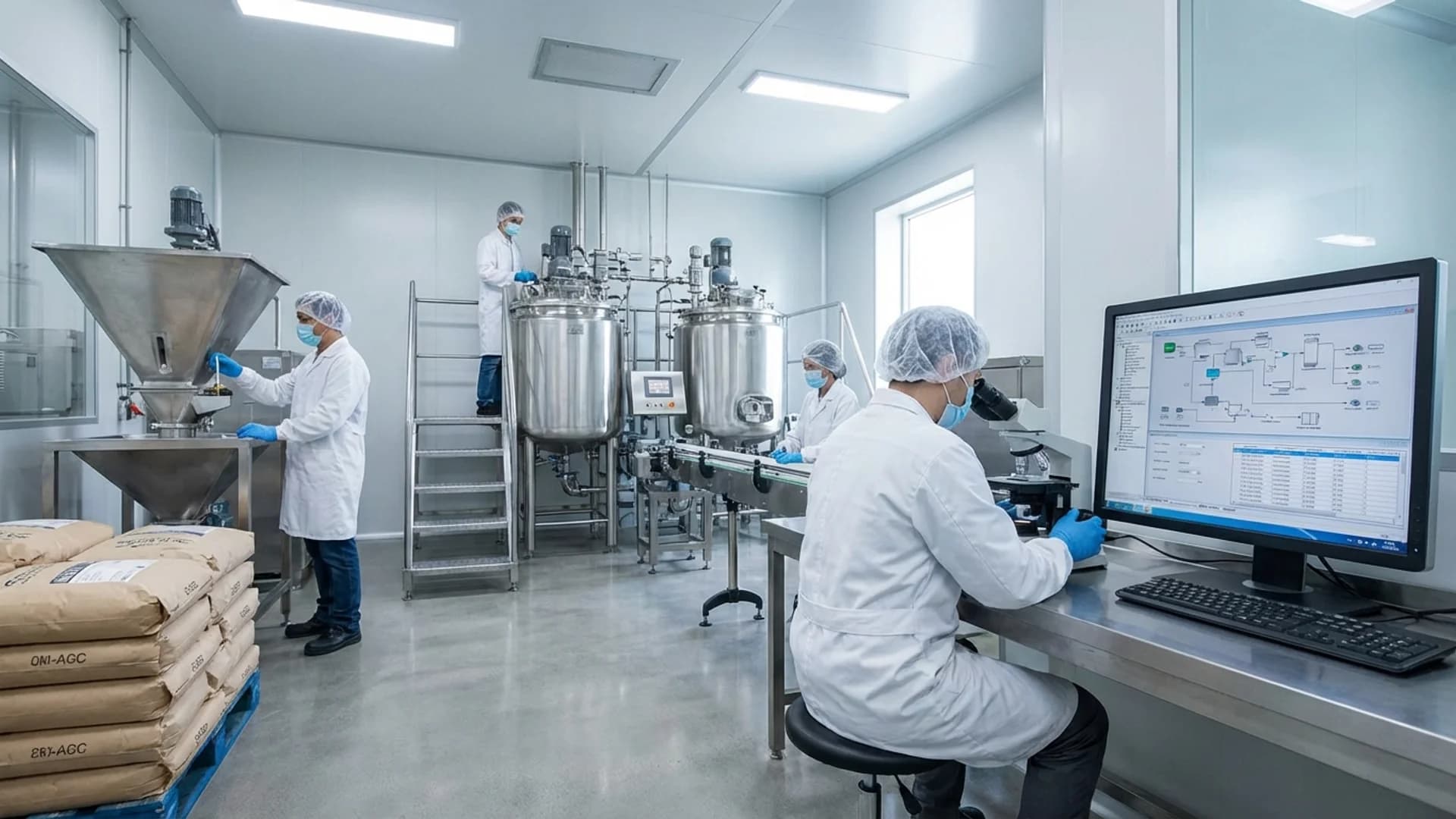
Confectionery and bakery manufacturers
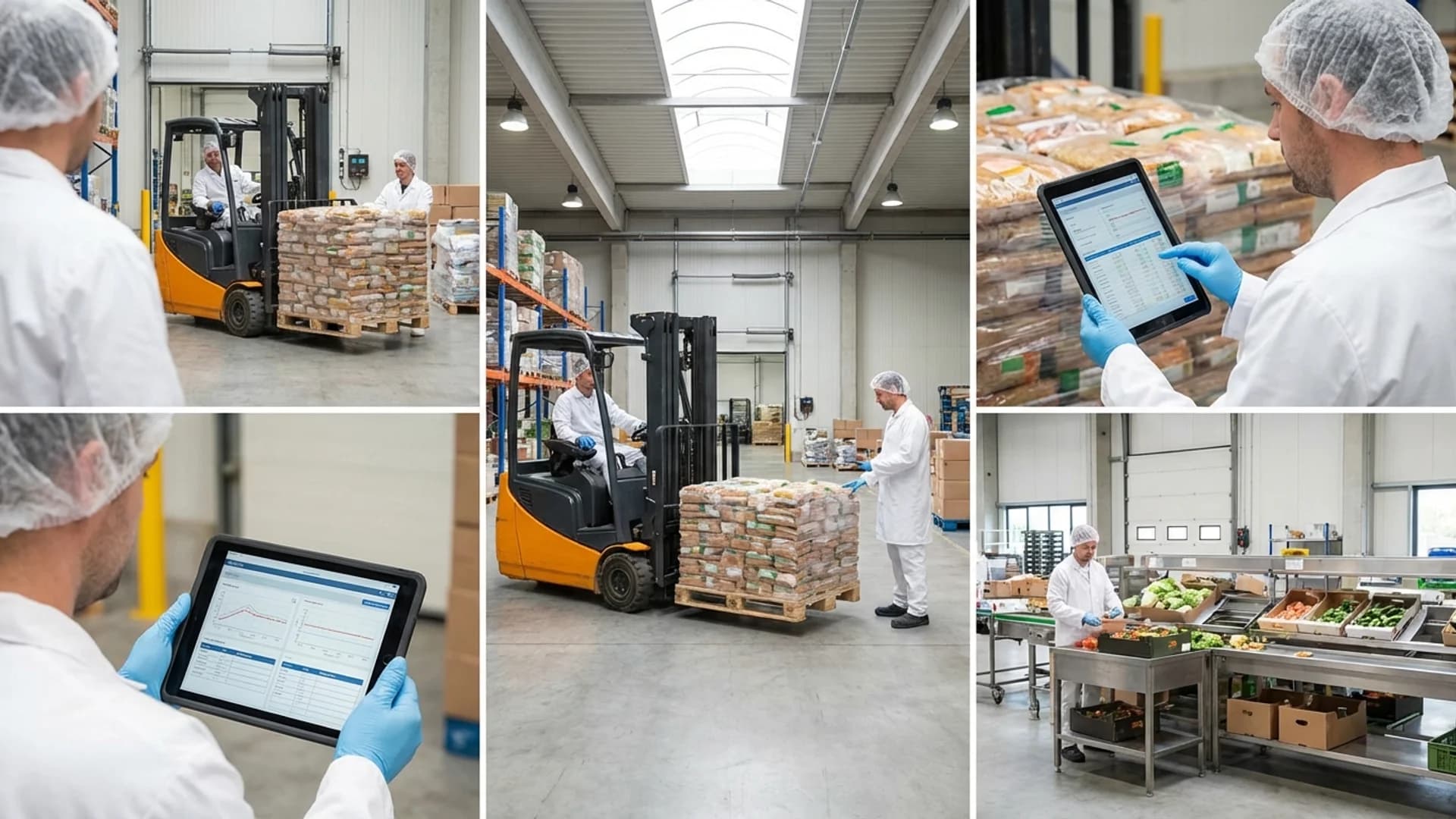
Logistics and warehouse operators
7 HACCP principles in plain language
The HACCP system is based on 7 Codex Alimentarius principles that ensure preventive safety control at every stage of production.
Hazard analysis
Identification of biological, chemical, and physical hazards at each production stage with assessment of likelihood and severity.
Determining CCPs
Identifying process stages where control is critical to preventing or eliminating a hazard to an acceptable level.
Critical limits
Setting measurable parameters (temperature, time, pH) that separate safe from unsafe production.
CCP monitoring
Systematic observations and measurements at each CCP to confirm control in real time.
Corrective actions
Response procedures when deviations occur: what to do with the product, how to restore control, and who is responsible.
Verification
Checking system effectiveness: record analysis, calibration, internal audits, and product testing.
Documentation
Maintaining records of procedures, monitoring, and corrective actions: the evidence base for inspections and traceability.
Hazard analysis
Identification of biological, chemical, and physical hazards at each production stage with assessment of likelihood and severity.
Determining CCPs
Identifying process stages where control is critical to preventing or eliminating a hazard to an acceptable level.
Critical limits
Setting measurable parameters (temperature, time, pH) that separate safe from unsafe production.
CCP monitoring
Systematic observations and measurements at each CCP to confirm control in real time.
Corrective actions
Response procedures when deviations occur: what to do with the product, how to restore control, and who is responsible.
Verification
Checking system effectiveness: record analysis, calibration, internal audits, and product testing.
Documentation
Maintaining records of procedures, monitoring, and corrective actions: the evidence base for inspections and traceability.
What is included in HACCP implementation
A practical [implementation](/en/implementation) plan: from product descriptions and flow diagrams to HACCP plan validation and team preparation for inspections.
Need help with HACCP implementation?
Product description and intended use
We define product characteristics, storage conditions, target consumers, and intended use of the product.
Process flow diagrams
We build process flow diagrams, verify them on-site, and document the actual operational steps.
Hazard analysis and control measures
We conduct biological, chemical, and physical hazard analysis. We determine CCPs and operational prerequisites.
HACCP plan and monitoring
We develop a HACCP plan with critical limits, monitoring procedures, and responsible persons for each CCP.
Prerequisite programs (PRPs)
We set up baseline programs: sanitation, personnel hygiene, pest control, water and waste management.
Verification and validation
We verify HACCP plan effectiveness, conduct internal audits, and prepare the team for external inspections.
Need help with HACCP implementation?
HACCP implementation: why companies choose Ekontrol
We translate Codex Alimentarius requirements into a working system: from hazard analysis to daily CCP control and inspection readiness.
Without systematic support
- HACCP exists only on paper. Plans are written, but CCP monitoring is not conducted and critical hazards remain uncontrolled.
- Records are formal and outdated. Logs are filled retroactively, and actual deviations are neither recorded nor analyzed.
- The team does not understand their roles. Staff do not know which points are critical, how to respond to deviations, or what to record.
With us toward results
- Hazard analysis tailored to your processes. We identify real risks rather than copying template hazards from a textbook.
- A working HACCP plan with monitoring. We build a system that functions in daily operational activities.
- Training and support. We prepare staff, verify the plan, and provide support through the external audit stage.
HACCP implementation stages: from diagnostics to inspection
We work in stages focused on real hazard control and readiness for external inspections.
Diagnostics and gap analysis
Within 3-5 days we assess the current system status, identify gaps in hazard control, and create an action plan.
Development and implementation
We build flow diagrams, conduct hazard analysis, determine CCPs, develop the HACCP plan, and train the team.
Verification and inspection preparation
We conduct internal verification, validate the HACCP plan, and prepare the evidence base for external audit.
Request HACCP implementation
We will run diagnostics, develop a HACCP plan for your processes, and support your team to confidently pass inspection.
Get implementation planClient Reviews
What companies say after completing certification preparation with our support.


We had a positive cooperation experience with Denys Honchar and were very satisfied with the training he delivered for our team. The program on food legislation requirements (HACCP), ISO 22000, and internal auditing was clear, well-structured, and closely aligned with real operational processes. Live examples and practical cases made the material easy to understand. Thank you for the high-quality training. We recommend him as a professional and reliable speaker.